
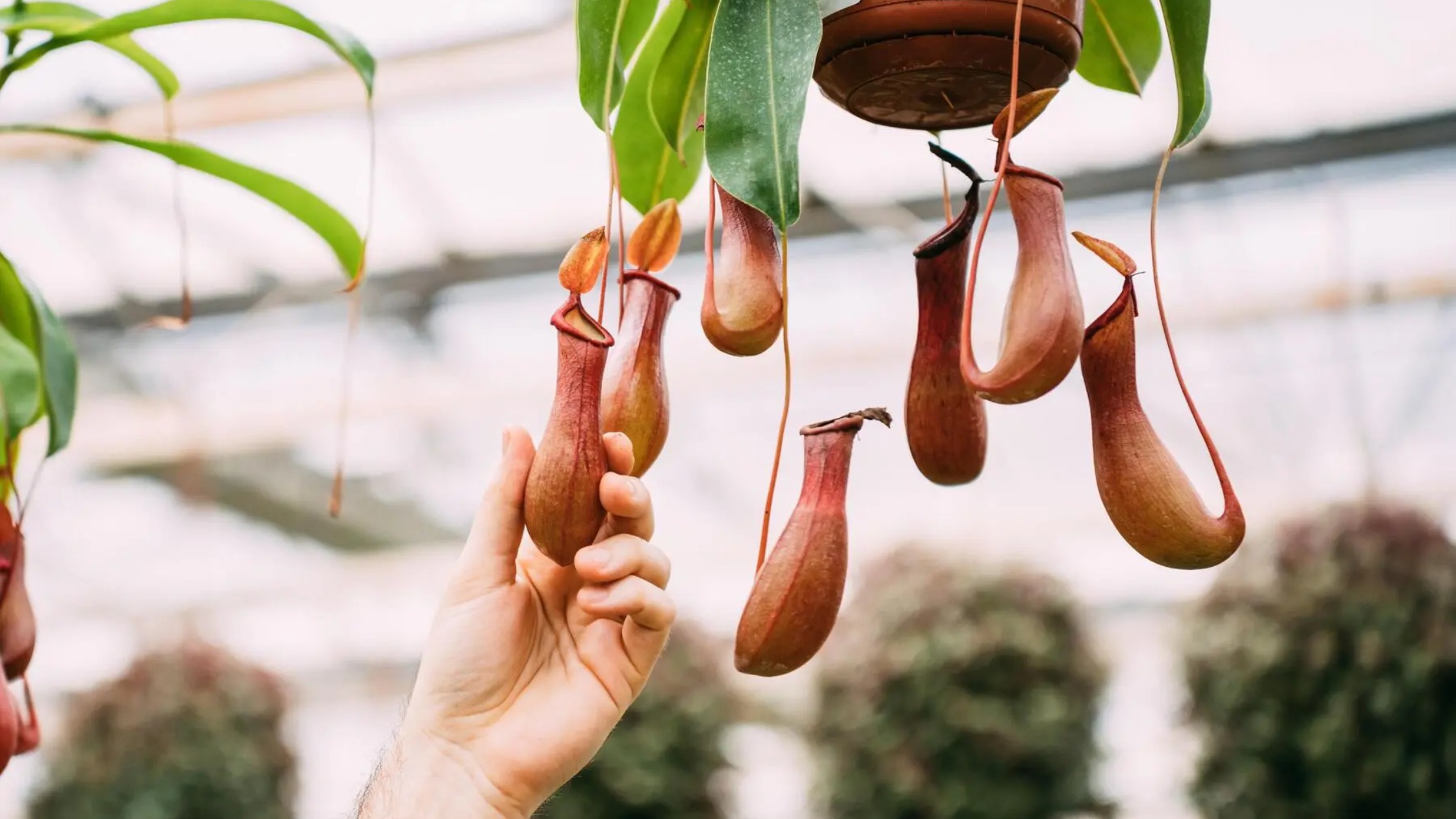
In mid-September 2026, the Austrian daily Die Presse published an interview with Felice Quartinello from BOKU University, a UPCYCLE partner, under the title “Diese Pflanzen fressen Plastik auf” (These plants eat up plastic). The interview looked at a surprising discovery from the UPLIFT project, and Felice also mentioned UPCYCLE as the project that is now taking that work further.
Plants That Can Digest Plastic
Carnivorous pitcher plants trap insects and digest them in a liquid at the bottom of their pitchers. Researchers from BOKU University, acib GmbH and the University of Applied Sciences Wiener Neustadt wanted to see what that liquid would do to plastic. They placed small pieces of PET, the plastic used in drinks bottles, and of a biodegradable plastic inside the pitchers, and the plants’ digestive juices broke both of them down.
The effect comes from a natural enzyme the plants use to digest their prey. Tested in the lab, it broke PET down into its basic building blocks about as well as the enzymes scientists usually rely on for this job. The study, published in Scientific Reports, shows that nature still holds new tools for recycling plastic.
From UPLIFT to UPCYCLE
UPLIFT showed that enzymes and microbes can break mixed plastic waste down into building blocks and turn them into new materials for packaging. UPCYCLE builds on those results and focuses on what is still needed to bring this approach closer to industry: lower costs, larger volumes and materials that perform well in real packaging. Finding new enzymes that can break plastics down, as this study did, gives that work more options to choose from.
BOKU continues this research within UPCYCLE, where enzymes remain central to turning plastic waste into new packaging materials.