UPCYCLE scales novel circular value chains to TRL7 using a Safe-and-Sustainable-by-Design framework, AI-powered process intensification, and an integrated plastic biorefinery.
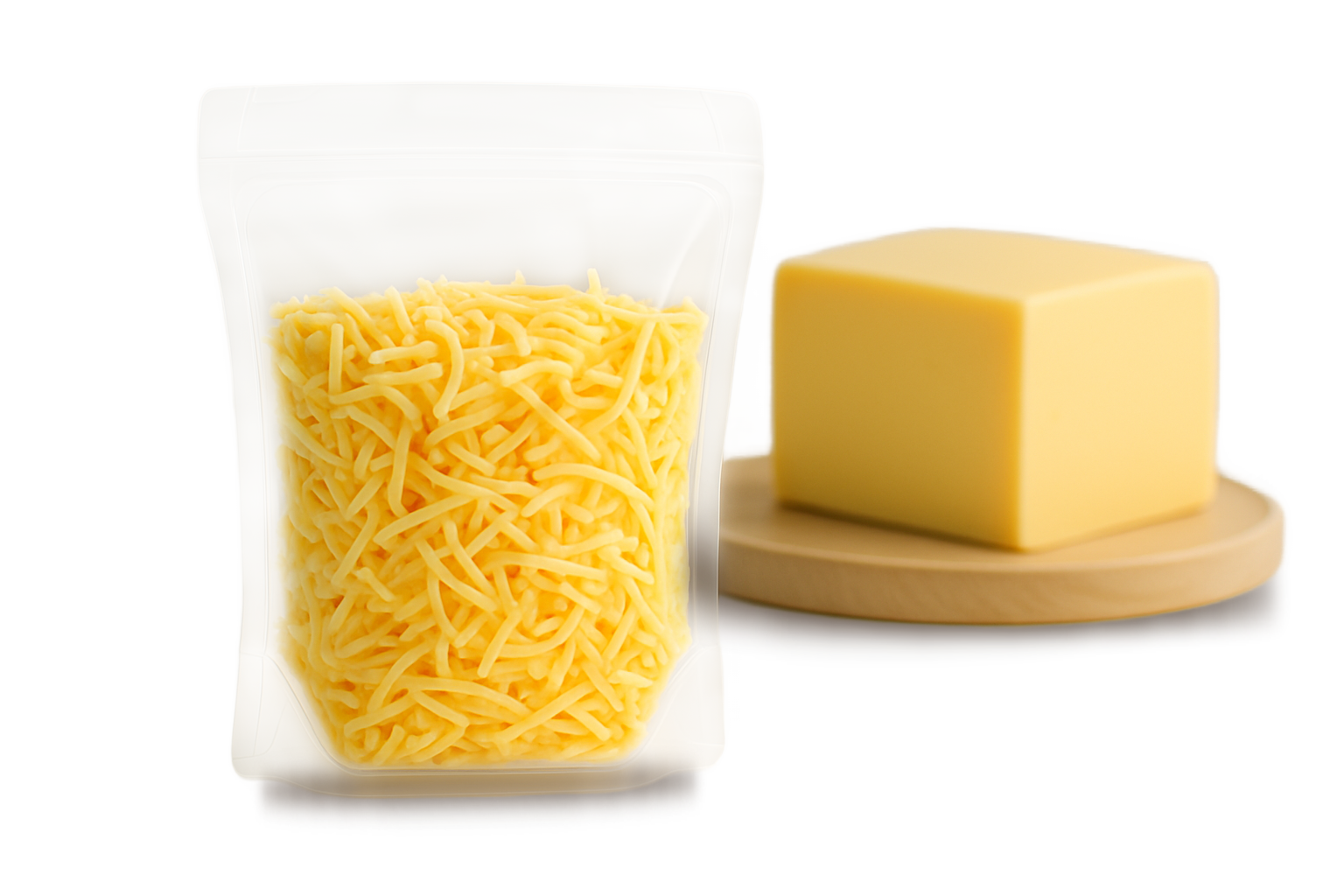
Flexible film. short-lifetime deli package (cheese).
2.
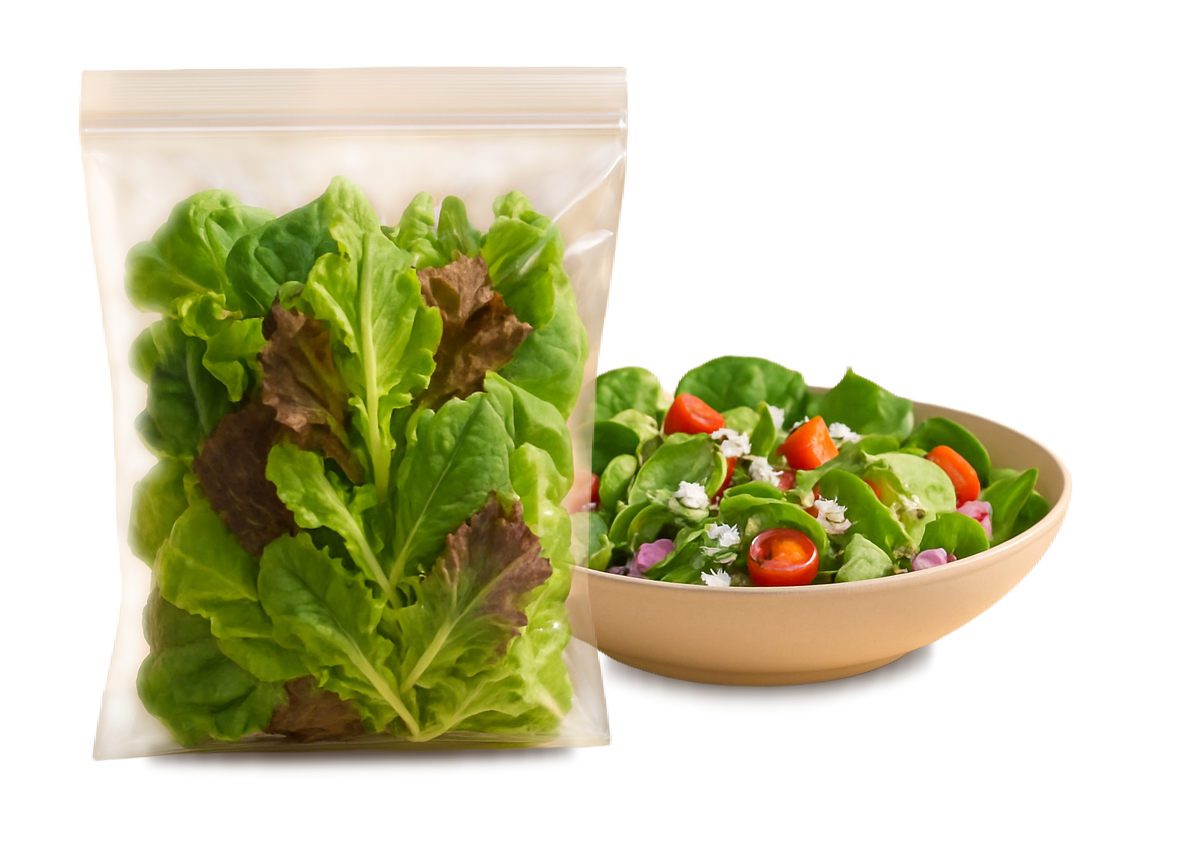
Vegetable flexible packaging (salads).
3.
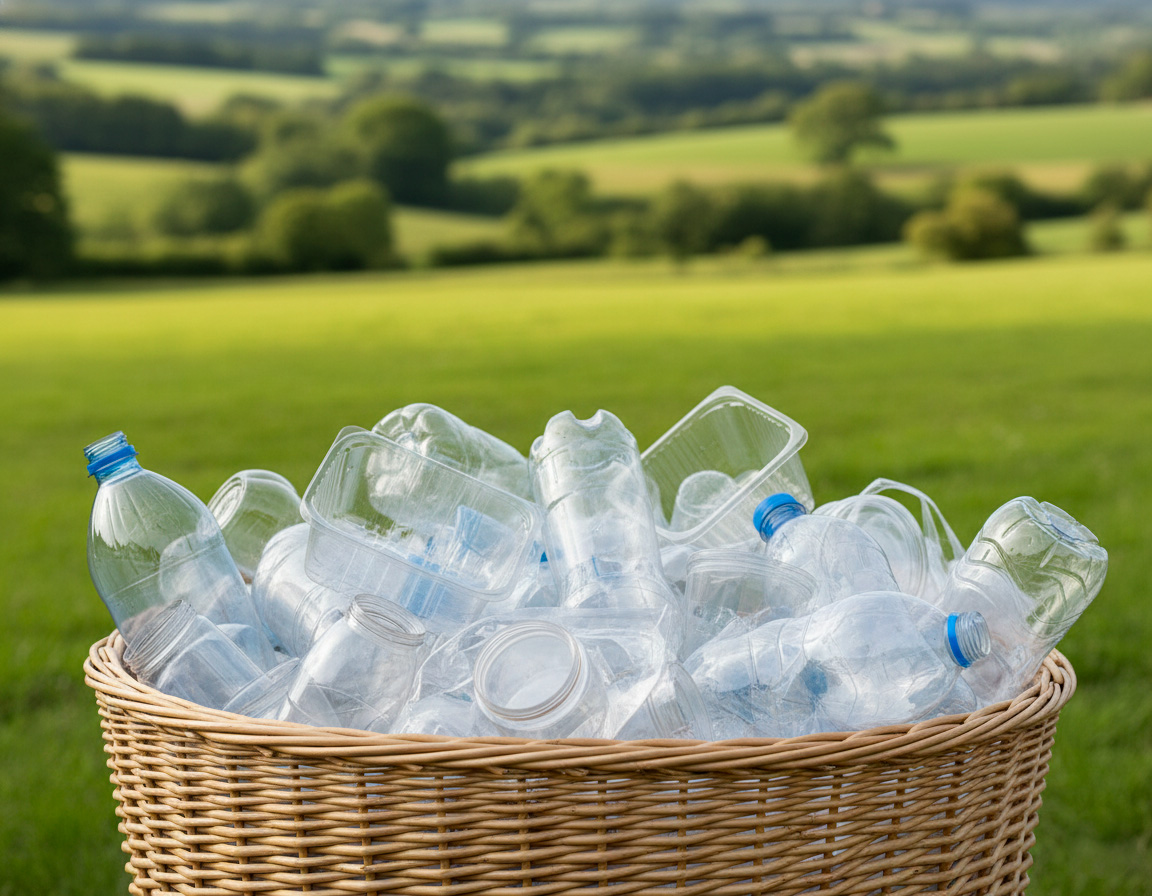
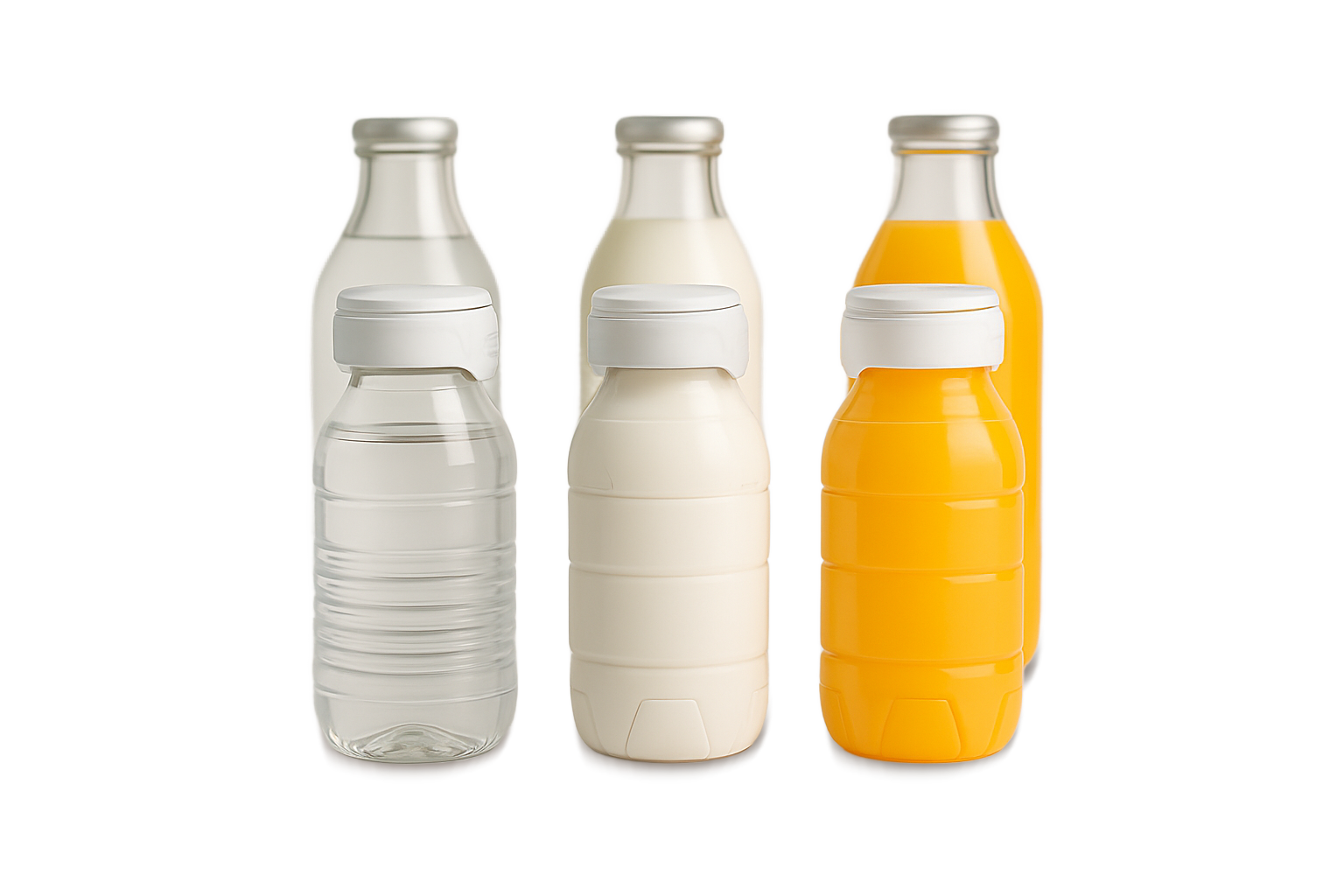
Beverage bottles (e.g liquid kefir).
4.
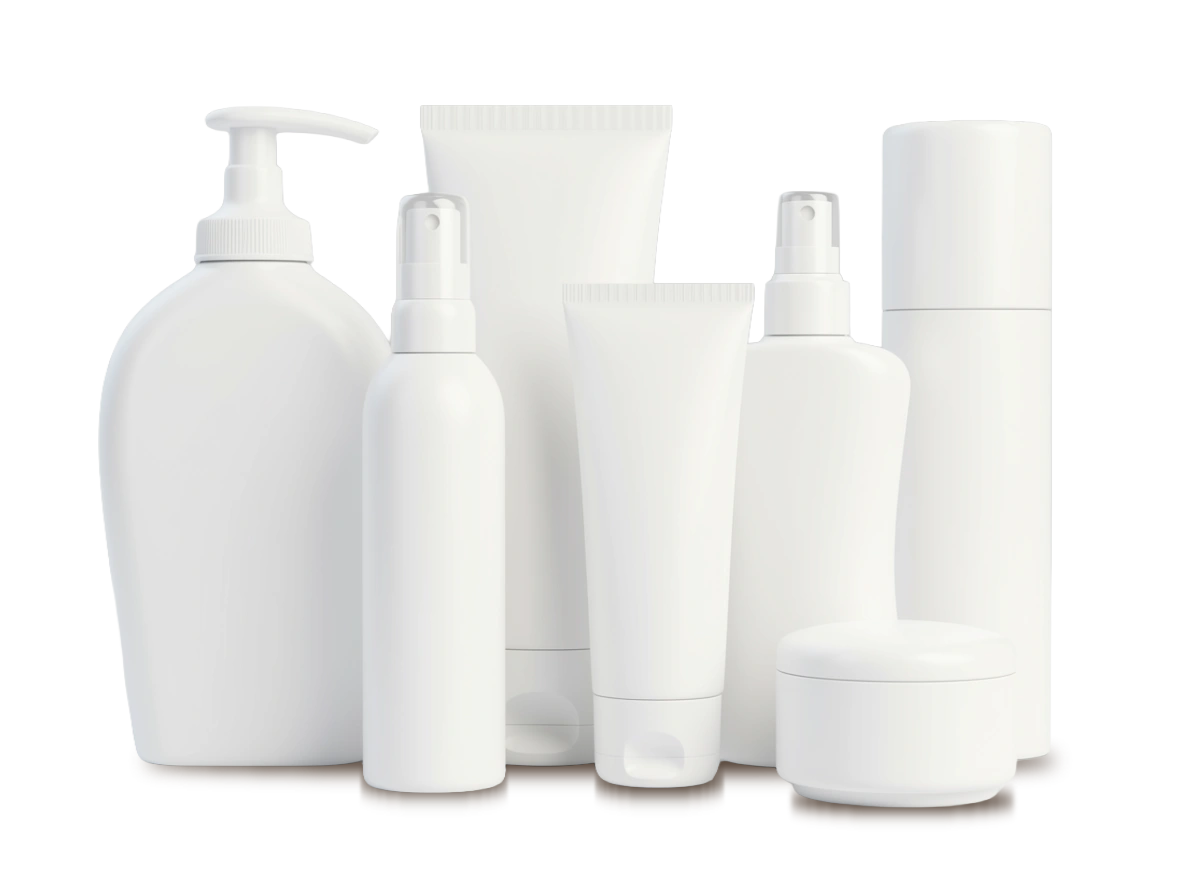
Personal care product packaging.
Safe-and-Sustainable-by-Design (SSbD):
Targets non-toxic materials, reduced greenhouse-gas emissions (target: -30% vs. commercial plastics), and economic viability (target: up to 40 percent reduction in minimum selling price vs. commercial bioplastics), while meeting performance needs.
AI-powered fast-track innovation:
Ultra-high-throughput screening coupled with machine learning, and Digital Twins to accelerate process intensification and scale-up.
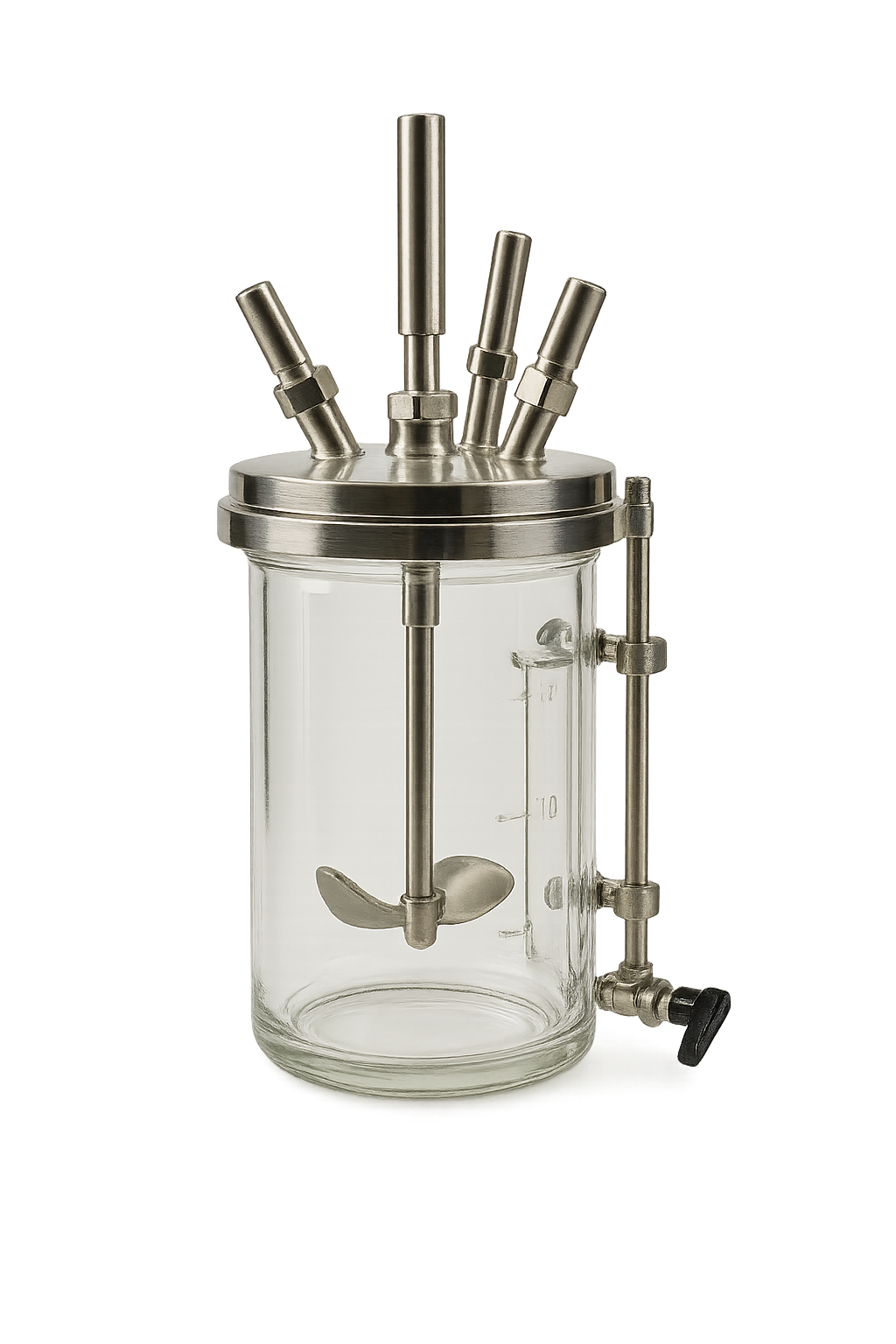
Versatile and integrated plastic biorefinery:
Chemo-enzymatic depolymerisation coupled with microbial upcycling of mixed plastic waste and secondary biomass residues into valuable building blocks.
Smart polymerisation and formulation:
Bio-based, degradable additives to tune biodegradability and performance in PHA-, PLA-, and furan-based plastics.
Impact
1
New materials and technologies demonstrated at TRL7, targeting items that are hard to recycle today (e.g., multilayer films).
2
Novel circular value chains that enable composting and chemo-enzymatic recycling, reducing reliance on landfilling and incineration.
3
Contributions to testing of novel materials, standardisations, labels, and EU policy dialogues on biodegradable / compostable and recyclable plastics.
4
EU Industrial leadership and increased autonomy with security of supply in raw materials.
5
Improving the resilience of EU businesses, especially SMEs and startups.
6
Enable large scale production of bio-degradable polymers to reduce the price gap with PE, PP and PET.
From Uplift To Upcycle
UPCYCLE builds on the promising results of the H2020 UPLIFT project, addressing key scalability challenges to achieve economic viability. It will also link UPLIFT’s results and publications to ensure that industry and researchers can easily trace how these outcomes evolve and feed into UPCYCLE.
UPCYCLE recognizes that biodegradability is not a universal solution and must be applied strategically. Even compostability is unsuitable where infrastructure is lacking, contents are not compostable, or long-life is required. Similarly, open-environment degradability is difficult to achieve while maintaining material properties and should not be used as an excuse to perpetuate single-use packaging models. Instead, it should be considered a last resort for applications prone to littering.
Therefore, UPCYCLEfocuses on specific packaging applications where biodegradability and compostability offer tangible benefits. For example, (i) improving the functionality of conventional bio-based polymers hindered by poor performance through the introduction of degradable additives that maintain compostability (e.g., PHA); (ii) enhancing degradability where it is limited (e.g., PLA); and (iii) providing compostable alternatives to multilayer systems with no recycling option available in the market.
Our smart polymerisation and formulation strategy primarily focuses on employing UPCYCLE’s degradable additives and copolymers to enhance the properties of existing commercial biopolymers used as main backbone. This approach allows broader market outreach since these additives can be easily incorporated into current polymer systems.