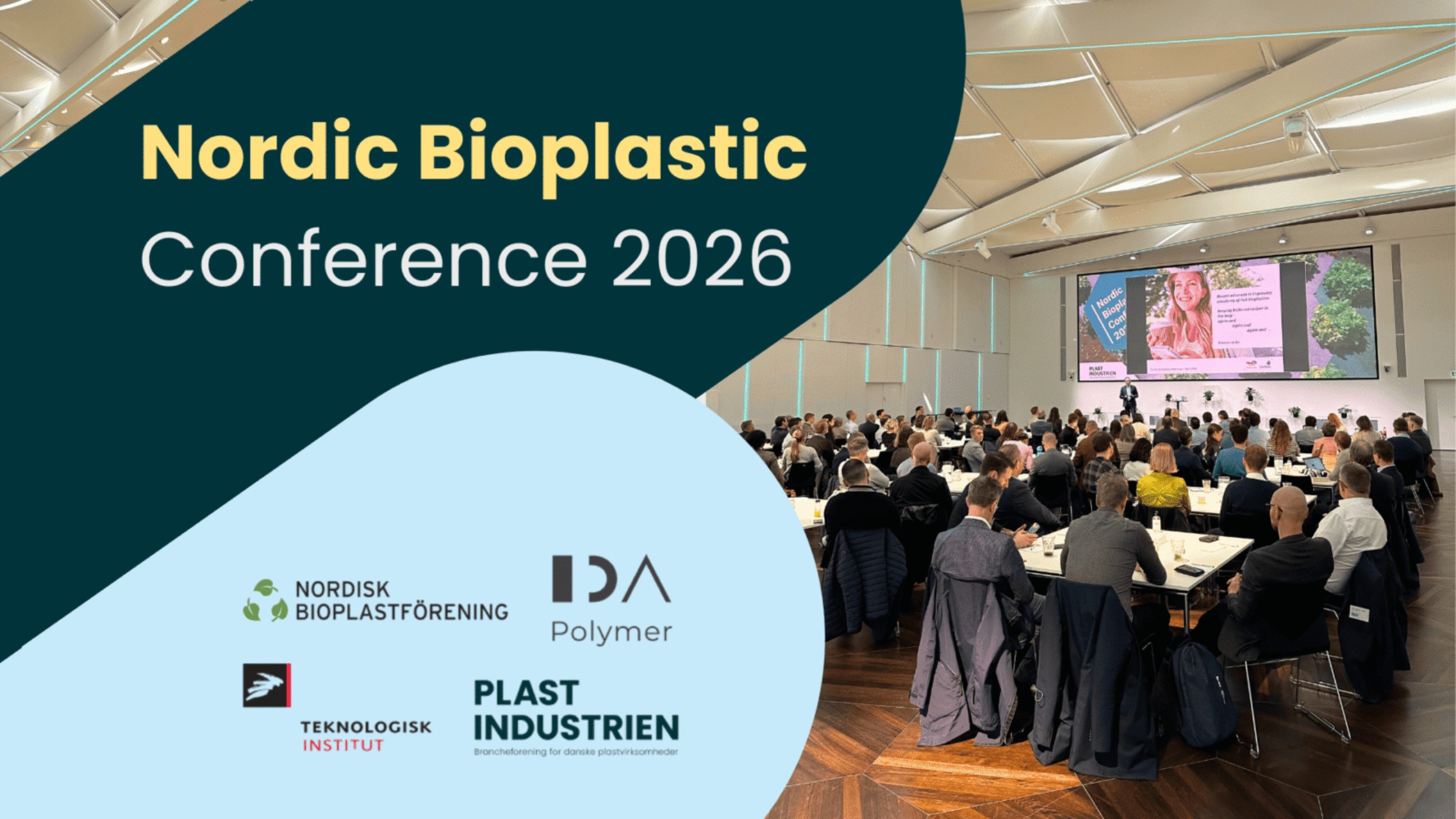
UPCYCLE, represented by the coordinator partner Aalborg University, took part in the Nordic Bioplastic Conference 2026, held at Industriens Hus in Copenhagen. The event brought together companies, researchers, policymakers and organisations from across the bioplastics value chain.
Discussions focused on how bioplastics are assessed and implemented in real systems, covering technological developments, regulatory dynamics and circularity strategies.
Showcasing the Project and Engaging with the Community
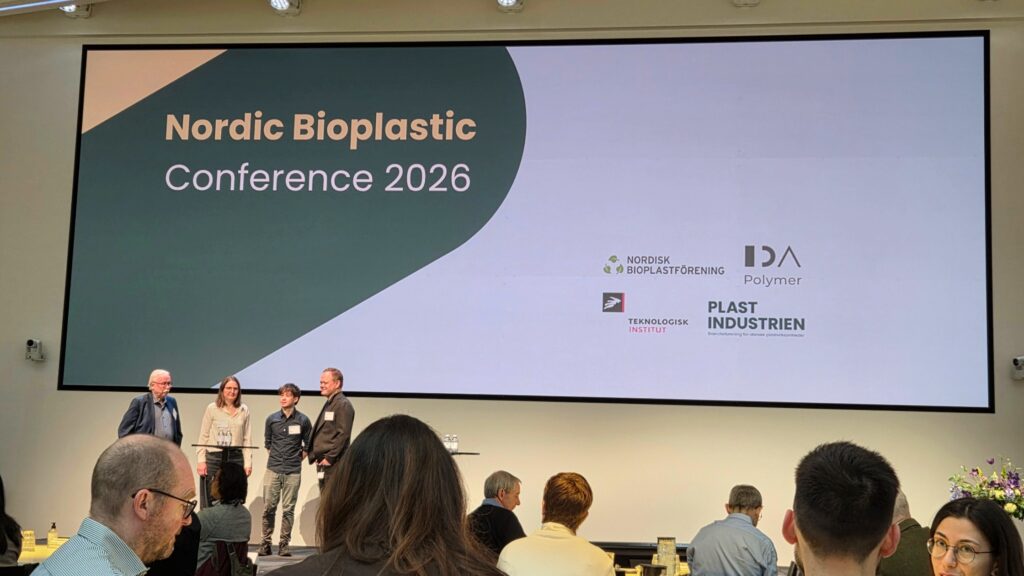
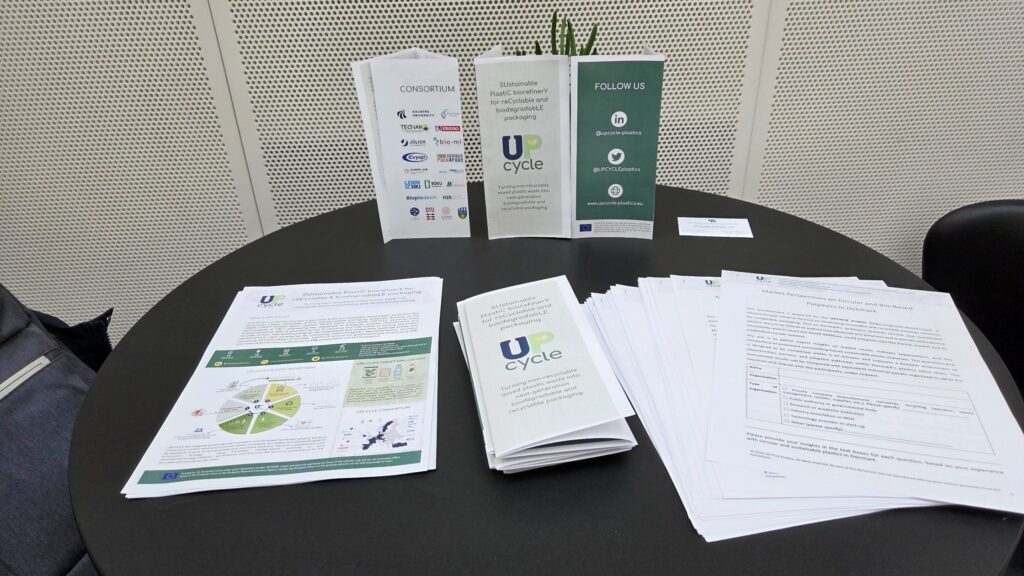
UPCYCLE presented its project poster during the conference’s tabletop exhibition, showcasing the initiative’s objectives, technical approach, and ongoing work to a diverse audience of industrial and scientific stakeholders.
Throughout the event, the team engaged in in-depth discussions with participants interested in biobased materials, circular design, and polymer innovation. These exchanges offered a valuable opportunity to gather direct insights from industry actors.
Through these conversations, UPCYCLE collected meaningful perspectives on market trends, industrial expectations, and the key factors shaping the competitiveness of emerging circular and biobased solutions. This feedback is instrumental in ensuring that the project’s outcomes remain aligned with real-world needs and the rapidly evolving sustainable materials landscape
A Programme Closely Connected to UPCYCLE’s Themes
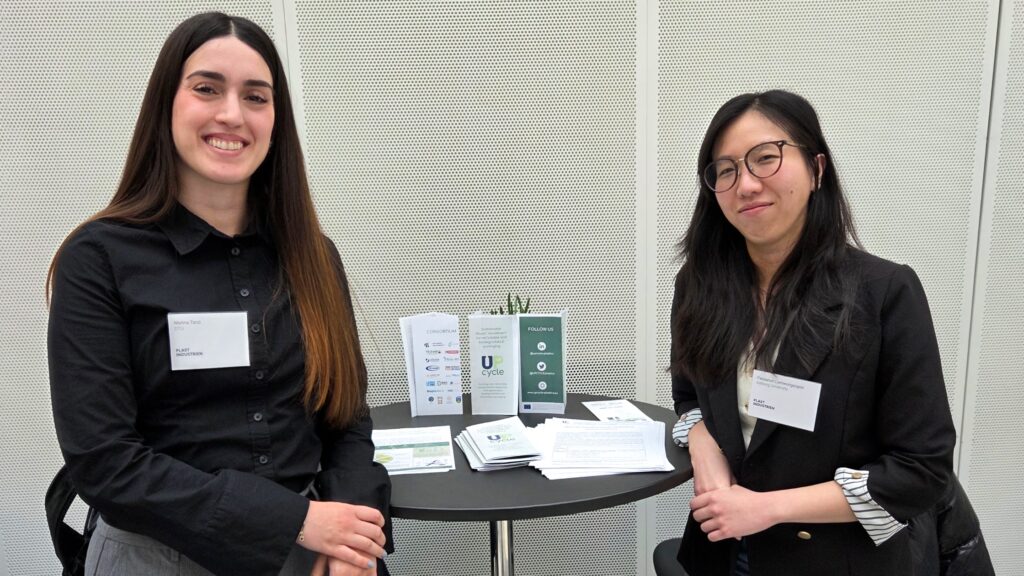
The conference programme covered topics highly relevant to UPCYCLE’s mission:
- Advances in biobased and biodegradable materials
- Environmental assessment approaches
- Industrial implementation pathways
- The role of regulation in shaping material choices
Speakers from industry, research institutes and European organisations shared insights on policy developments, material innovation and circularity strategies.
Strengthening Networks for Future Work
UPCYCLE’s participation enhanced its visibility within the Nordic and European bioplastics community. The discussions held throughout the day will support the project’s upcoming activities, particularly those requiring close engagement with industry to better understand adoption barriers, performance expectations, and opportunities for upcycled materials.
By connecting with key stakeholders and positioning its work within current market and regulatory developments, UPCYCLE continues to build a strong foundation for impactful, industry-relevant results.