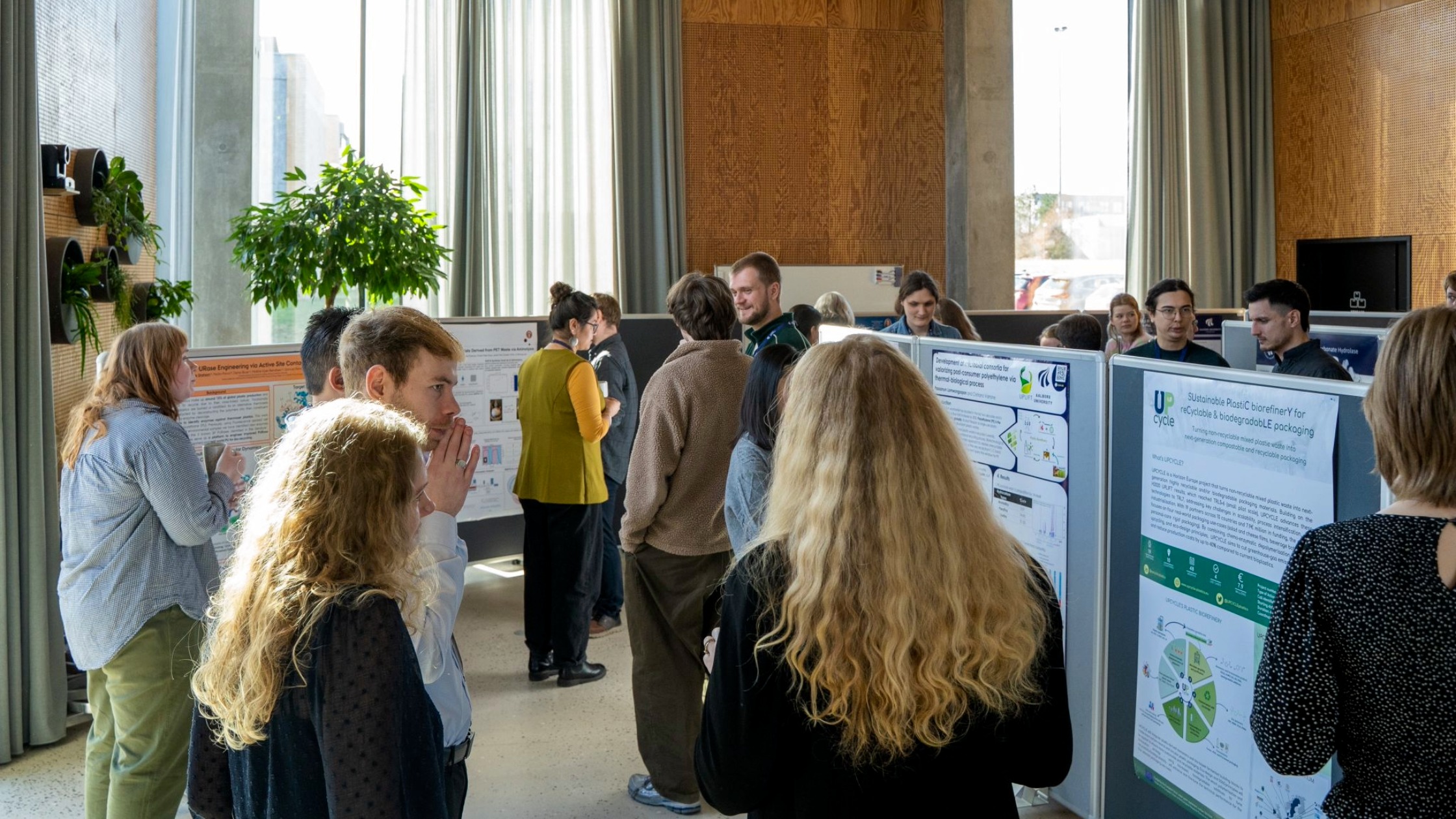
UPCYCLE hosted its second Industry Roundtable on 20 March 2026 within the framework of The Future of Sustainable Plastics 2026, organised by the AAU Plastics Platform at Aalborg University.
This roundtable served as the Danish case study in UPCYCLE’s series of national dialogues, designed to gather insights from industry, researchers and policymakers on the barriers and opportunities shaping the transition toward circular plastics.
A Roundtable Focused on Packaging, Regulation and Market Barriers
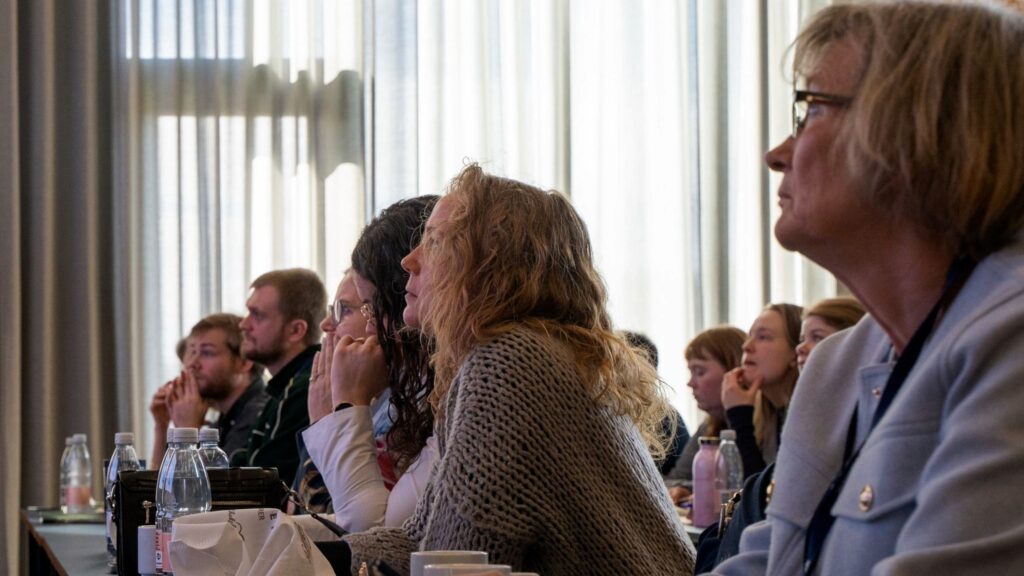
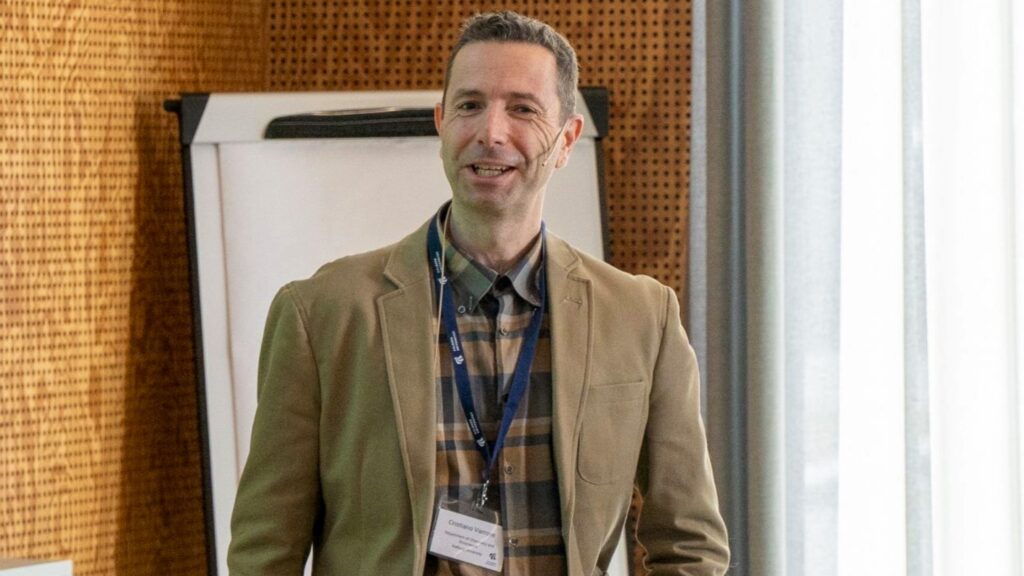
The UPCYCLE roundtable took place in Session A: Packaging and Regulation – Technological and Economic Barriers for Circular Plastics Entering the Market, organised by Cristiano Varrone (Aalborg University), coordinator of the UPCYCLE project.
UPCYCLE contributed to the discussion, sharing insights from the project’s work on advanced recycling pathways, resource efficiency and sustainabilitydriven design. Participants explored:
- Regulatory uncertainties affecting the introduction of circular materials
- Technological limitations in achieving consistent quality and performance
- Economic barriers linked to cost competitiveness and market acceptance
- The need for harmonised standards and clearer guidance for industry
These exchanges offered a grounded view of how regulatory frameworks and industrial realities intersect, and where innovation, collaboration and policy alignment are most urgently needed.
A Danish Lens on a European Challenge
The Danish context provided a particularly relevant perspective, given the country’s strong focus on resource efficiency, waste mapping and regulatory preparedness. Stakeholders highlighted:
- The importance of transparent data on waste streams
- The role of designforrecycling in enabling circularity
- The need for crosssector collaboration to scale new technologies
- The impact of upcoming eu legislation on producers and recyclers
These exchanges offered a grounded view of how regulatory frameworks and industrial realities intersect, and where innovation, collaboration and policy alignment are most urgently needed.
Strengthening Dialogue Across the Value Chain
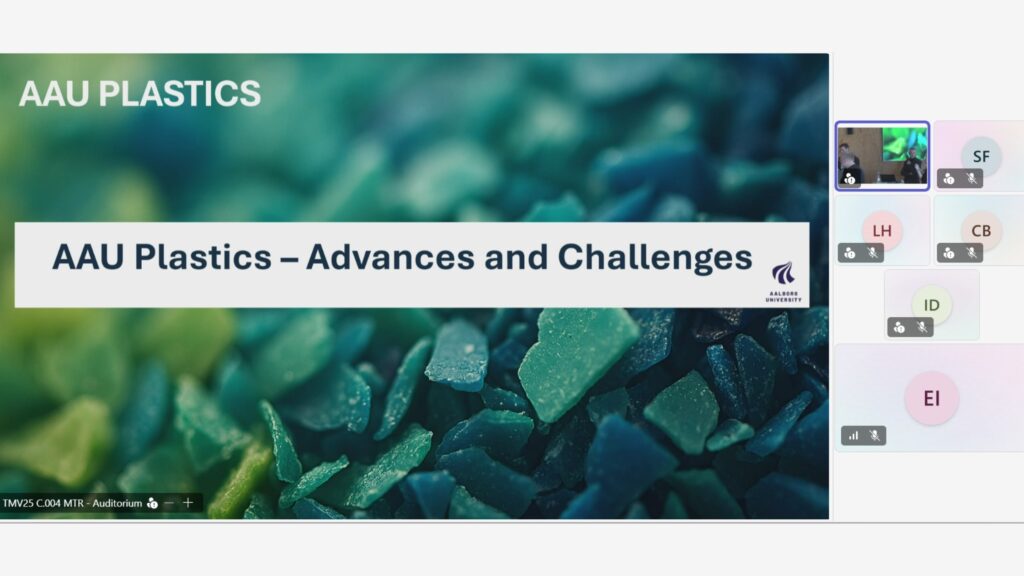
Being hosted alongside a full day of discussions and activities during The Future of Sustainable Plastics 2026 created additional opportunities for dialogue, networking and alignment with ongoing initiatives across the Danish plastics ecosystem. Poster exchanges, informal discussions, parallel sessions and the possibility to join the event online during the morning session enriched the roundtable’s outcomes and connected UPCYCLE with a wider community of stakeholders across the plastics value chain.
The insights gathered in Aalborg will support UPCYCLE’s ongoing work on stakeholder engagement, circularity pathways and the development of actionable recommendations for industry and policymakers.